Health benefits of saffron: What many people want to know
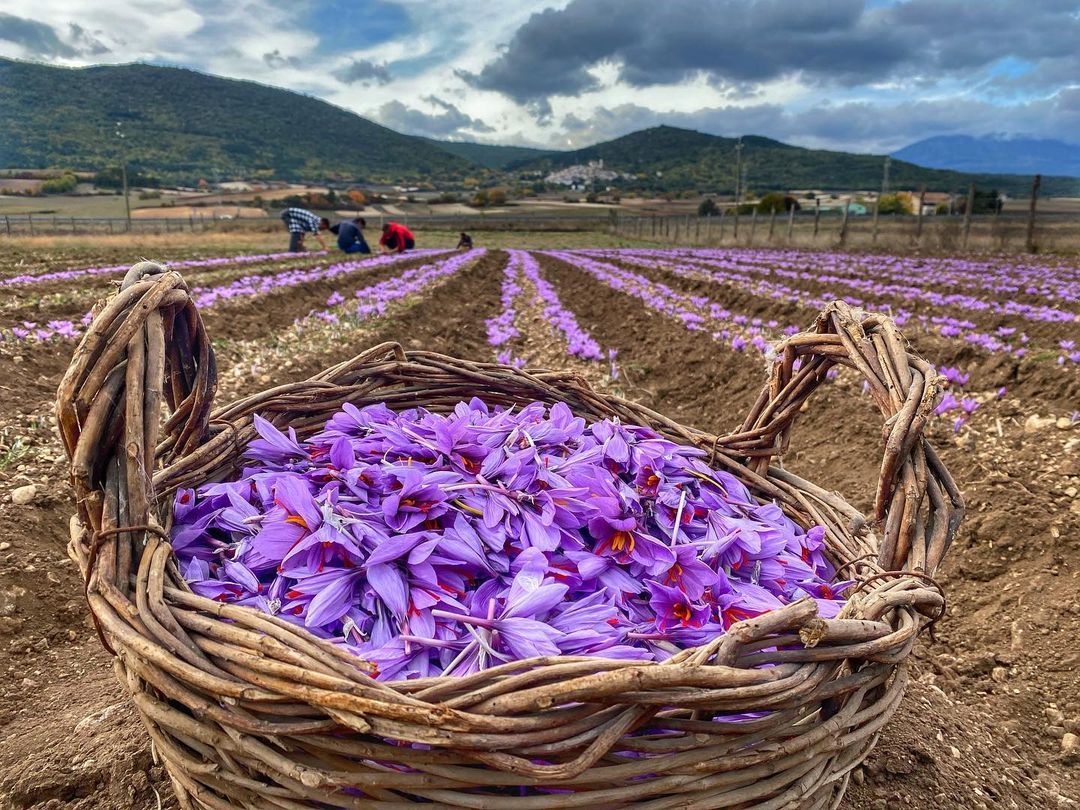
Discover the health benefits of saffron, the natural compounds it contains, and why this ancient spice continues to attract attention around the world.
Health benefits of saffron
Saffron has long been recognized as one of the world's most valuable spices and botanical ingredients.
Beyond its rarity and labor-intensive harvesting process, saffron has attracted attention for its potential wellness-supporting properties.
Today, saffron is used in beverages, foods, and wellness products around the world.
So what are the potential benefits of saffron, and why has it become the subject of so much interest?
Why is saffron associated with wellness?
Saffron comes from the red stigmas of the Crocus sativus flower.
These delicate strands contain naturally occurring compounds such as:
Crocin
Safranal
Picrocrocin
These compounds contribute to:
Saffron's golden color
Distinctive aroma
Characteristic taste
They are also the focus of many scientific studies.
Saffron may support relaxation and mood
One of the most frequently studied areas of saffron research relates to emotional well-being.
Some studies suggest that saffron's natural compounds may help support:
Relaxation
Emotional balance
A positive state of mind
For this reason, many people include saffron as part of their daily wellness routine.
Individual experiences may vary.
Saffron may help support sleep quality
Many people first become interested in saffron because of its association with sleep support.
When used consistently alongside healthy lifestyle habits, some individuals report:
Feeling more relaxed in the evening
Experiencing more comfortable sleep
Waking up feeling more refreshed
Unlike sleeping medications, saffron is not intended to produce immediate effects.
Saffron contains natural antioxidants
Compounds such as Crocin and Safranal are often studied for their antioxidant properties.
Antioxidants help the body:
Combat oxidative stress
Support cellular protection
This is one reason saffron is commonly included in wellness-focused diets.
Saffron may support a balanced lifestyle
Some people use saffron as part of a balanced routine to help:
maintain a positive mindset
Support daily well-being
Complement healthy habits
However, saffron should not replace proper nutrition, exercise, or adequate sleep.
Saffron as a culinary ingredient
For more than 3,000 years, saffron has been valued as a premium culinary ingredient.
In addition to adding color, saffron contributes:
A distinctive aroma
Unique flavor characteristics
An enhanced dining experience
It is commonly added to:
Herbal teas
Water infusions
Milk-based drinks
Traditional Middle Eastern rice dishes
Should you expect immediate results?
One of the most common misconceptions is expecting instant effects.
Saffron is not a medicine and does not work like a fast-acting pharmaceutical product.
As a natural botanical ingredient, saffron typically requires consistent use over time.
Many people choose to evaluate their experience after using saffron regularly for 2–4 weeks.
Is saffron a medicine?
No.
Saffron is a natural spice and botanical ingredient.
It is not a medicine and should not be used as a substitute for medical treatment.
If you have specific health concerns, consult a qualified healthcare professional.
Conclusion
Saffron has been valued for thousands of years and continues to attract attention today.
Its most discussed wellness benefits include:
Support for relaxation
Support for sleep quality
Natural antioxidant content
Contribution to a balanced lifestyle
The key is to use saffron consistently, responsibly, and with realistic expectations.
“If you are new to saffron, start by learning about its origin, natural compounds, and proper usage. Understanding the fundamentals often leads to a better overall experience.”
Related articles
- When is the best time to drink saffron? A practical guide for daily use
Should you drink saffron in the morning or at night? Learn the best times to use saffron threads and saffron-infused honey as part of a balanced wellness routine.
- Saffron and a modern healthy lifestyle: Why saffron alone is not enough
Discover how saffron fits into a healthy lifestyle. Learn why long-term wellness depends on daily habits, sleep, nutrition, stress management, and consistency.
- How many saffron threads should you consume per day? A beginner's guide
Wondering how many saffron threads you should use daily? Learn recommended amounts for beginners, proper usage methods, and why quality matters more than quantity.