Should people under stress use saffron? What you should know before trying it

Should people who frequently experience stress, work-related pressure, or poor sleep quality use saffron? Explore who may benefit from saffron and learn how to use it properly for the best results.
Should people under stress use saffron?
Modern life places increasing pressure on many people.
Work deadlines, business responsibilities, financial concerns, and digital overload can make it difficult to relax and recharge.
As a result, many individuals explore natural wellness-support options, including saffron.
But is saffron suitable for people who experience frequent stress?
Why do stressed individuals often become interested in saffron?
Saffron has been used for more than 3,000 years in Persian and Middle Eastern cultures as part of daily wellness traditions.
Today, many people choose saffron because it is:
Easy to incorporate into daily routines
Convenient for busy lifestyles
Commonly consumed as a relaxing beverage
Associated with overall wellness habits
Saffron should be viewed as a supportive wellness ingredient rather than a solution to the root causes of stress.
Who commonly uses saffron?
Office workers under pressure
Long hours in front of screens and constant mental demands make office workers one of the most common user groups.
Business owners and entrepreneurs
People responsible for making decisions throughout the day often seek routines that support relaxation and balance.
Individuals with irregular sleep schedules
Sleep quality and stress are often closely connected.
People building healthier lifestyles
Many individuals incorporate saffron as part of broader wellness habits.
Can saffron replace rest and recovery?
No.
Saffron cannot replace:
Adequate sleep
Physical activity
Healthy nutrition
Stress-management practices
It should be viewed as a complement to a balanced lifestyle.
How to use saffron
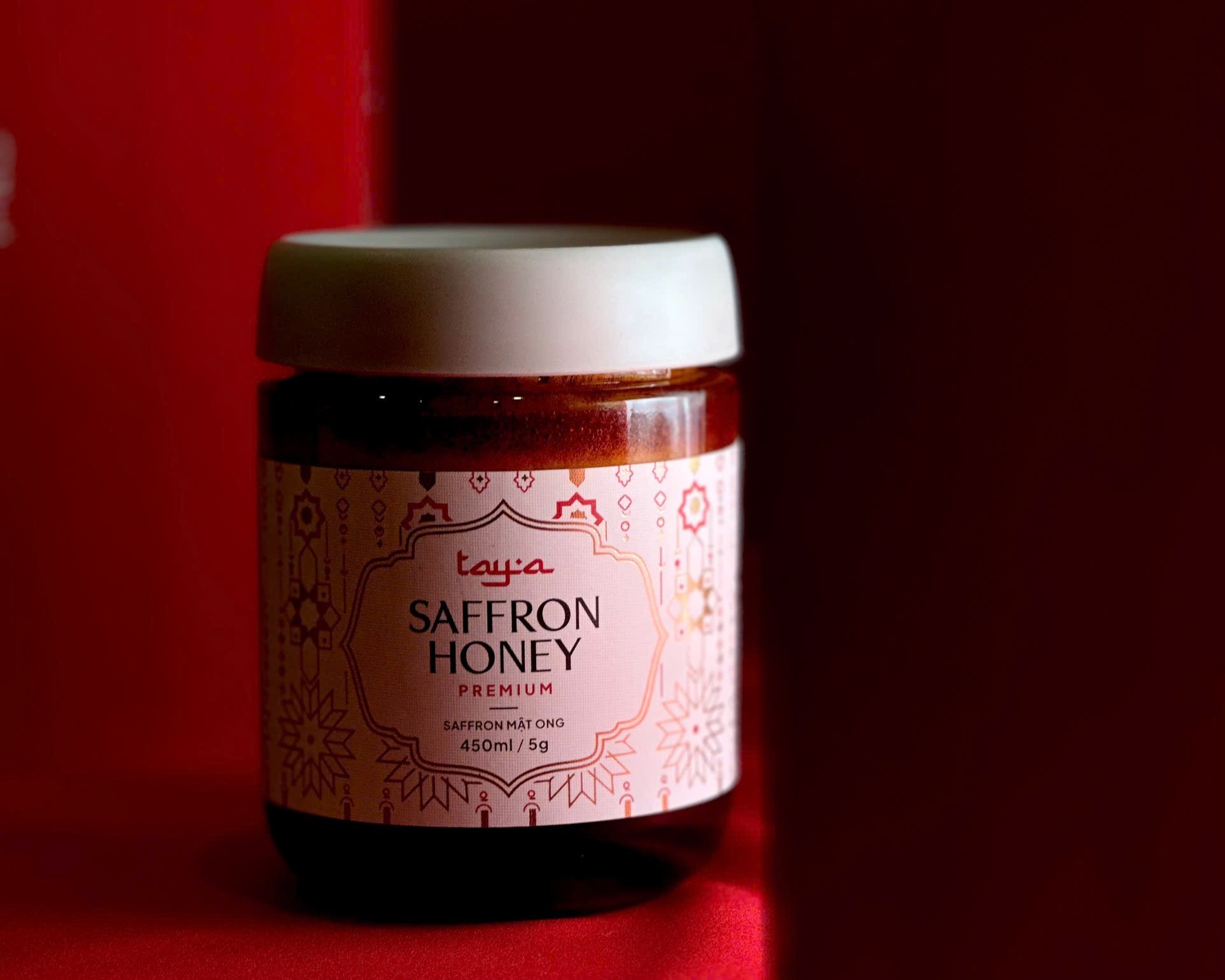
Option 1: Saffron infused honey
Suggested ratio:
10g saffron threads
500ml pure honey
Allow the mixture to infuse in a clean glass container.
Consume 1–2 teaspoons after breakfast or mix with warm water.
Option 2: Saffron threads in water
For adults with normal or higher blood pressure:
Approximately 10 threads daily
Infused in 1.5–2 liters of water
For adults with lower blood pressure:
Approximately 5–7 threads daily
Gradually adjust based on individual response
Many people choose to consume saffron after breakfast as part of a consistent routine.
Realistic expectations
Saffron is:
Not a medicine
Not a quick fix
Not a replacement for professional healthcare
Most people evaluate their experience after several weeks of consistent use alongside healthy lifestyle habits.
Conclusion
People experiencing stress may choose to incorporate saffron into a balanced wellness routine.
Its value lies not in replacing rest or medical care, but in complementing healthy habits such as quality sleep, regular exercise, balanced nutrition, and effective stress management.
“If you are exploring saffron as part of your wellness journey, focus on consistency, realistic expectations, and building sustainable daily habits that support both physical and mental well-being.”
Related articles
- When is the best time to drink saffron? A practical guide for daily use
Should you drink saffron in the morning or at night? Learn the best times to use saffron threads and saffron-infused honey as part of a balanced wellness routine.
- Saffron and a modern healthy lifestyle: Why saffron alone is not enough
Discover how saffron fits into a healthy lifestyle. Learn why long-term wellness depends on daily habits, sleep, nutrition, stress management, and consistency.
- How many saffron threads should you consume per day? A beginner's guide
Wondering how many saffron threads you should use daily? Learn recommended amounts for beginners, proper usage methods, and why quality matters more than quantity.