How should people who work late use saffron? A science-based look at sleep and recovery
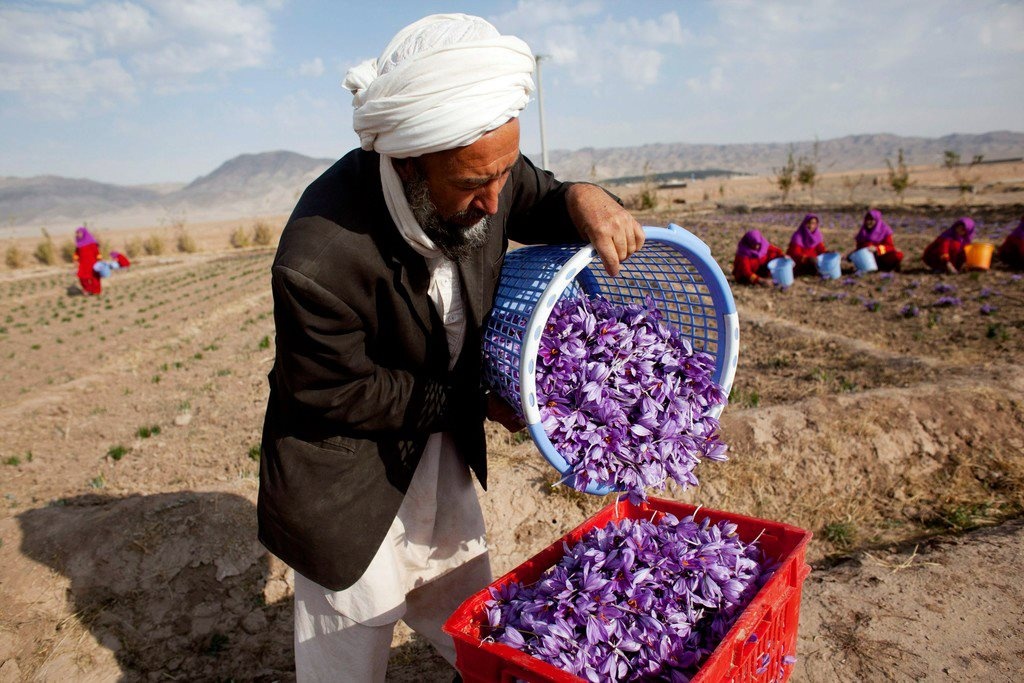
Working late nights? Learn how saffron may fit into a healthy lifestyle, what research says about sleep support, and how to use saffron responsibly.
How should people who work late use saffron?
Some people stay up late by choice.
Many others stay awake because of responsibilities.
Running a business.
Working overtime.
Taking care of children during the night.
Or simply trying to earn enough to support their family.
Over time, many people begin to feel that they have adapted to sleeping less.
But adaptation does not necessarily mean the body is unaffected.
This is one reason why more people are interested in saffron as part of a wellness routine.
What happens when you regularly stay up late?
According to organizations such as the CDC and the National Heart, Lung, and Blood Institute, sleep plays a critical role in physical and mental recovery.
Insufficient sleep may be associated with:
Fatigue
Reduced concentration
Increased stress
Lower energy levels
Reduced quality of life
Does getting used to late nights mean your body is fine?
Not necessarily.
Many people report feeling accustomed to a late-night schedule.
However, research suggests that chronic sleep deprivation may still affect:
Mood
Cognitive performance
Recovery processes
Overall well-being
Can saffron reset your biological clock?
Current evidence does not suggest that saffron can reset or regulate the body's circadian rhythm.
However, researchers have explored saffron's potential relationship with:
Sleep quality
Relaxation
Emotional wellness
Overall quality of life
These effects may help support individuals who regularly stay up late.
Saffron and sleep support
Recent studies have investigated saffron's potential role in supporting:
Sleep quality
Sleep duration
Feeling refreshed upon waking
It is important to understand that saffron is not a sleeping pill.
It does not produce immediate sedative effects.
Instead, it is studied as a wellness-support ingredient when used consistently.
How can late-night workers use saffron?
Saffron threads
Suggested daily use:
Normal or higher blood pressure: approximately 10 threads daily
Lower blood pressure: approximately 5–7 threads daily
Steep for 10–15 minutes before drinking.
Timing
Many people choose to consume saffron:
After breakfast
Early afternoon
1–2 hours before rest
The goal is not to force sleep but to support healthy routines.
Saffron-infused honey
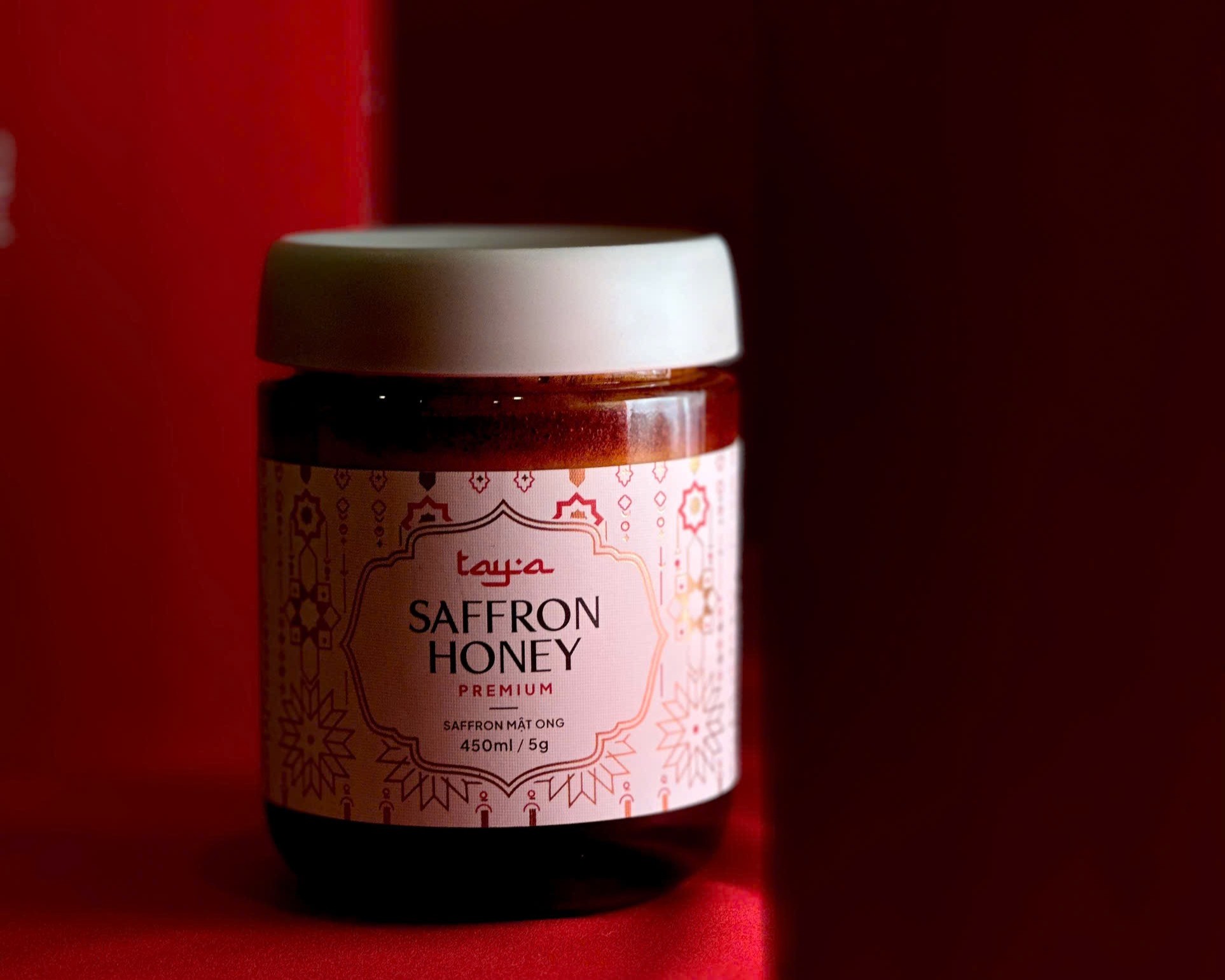
For busy individuals, saffron-infused honey offers a convenient way to include saffron in a daily routine.
What matters even more than saffron?
The foundation of recovery still includes:
Sufficient sleep
Consistent sleep schedules
Limiting blue light exposure
Reducing late-day caffeine intake
Regular physical activity
Saffron may complement these habits, but it cannot replace them.
Is saffron a sleeping medication?
No.
Saffron is a natural wellness-support ingredient.
It is not a medicine and should not replace professional medical care.
FAQ
Can night-shift workers use saffron?
Yes, many people include saffron as part of a balanced wellness routine.
Can saffron regulate circadian rhythms?
Current scientific evidence does not support this claim.
Is saffron a sleeping pill?
No.
When should saffron be consumed?
Many people choose to use it after breakfast or before rest periods.
Conclusion
If you regularly stay up late because of work, family responsibilities, or financial pressures, remember that your body still needs recovery.
Saffron cannot replace sleep or completely restore disrupted sleep schedules.
However, when used appropriately as part of a healthy lifestyle, it may become a supportive wellness habit.
“Not everyone has the luxury of going to bed early.
But regardless of your schedule, taking small steps to support recovery, rest, and self-care can make a meaningful difference over time.”
Related articles
- When is the best time to drink saffron? A practical guide for daily use
Should you drink saffron in the morning or at night? Learn the best times to use saffron threads and saffron-infused honey as part of a balanced wellness routine.
- Saffron and a modern healthy lifestyle: Why saffron alone is not enough
Discover how saffron fits into a healthy lifestyle. Learn why long-term wellness depends on daily habits, sleep, nutrition, stress management, and consistency.
- How many saffron threads should you consume per day? A beginner's guide
Wondering how many saffron threads you should use daily? Learn recommended amounts for beginners, proper usage methods, and why quality matters more than quantity.