Where does saffron come from? The 3,000-year journey of “red gold”
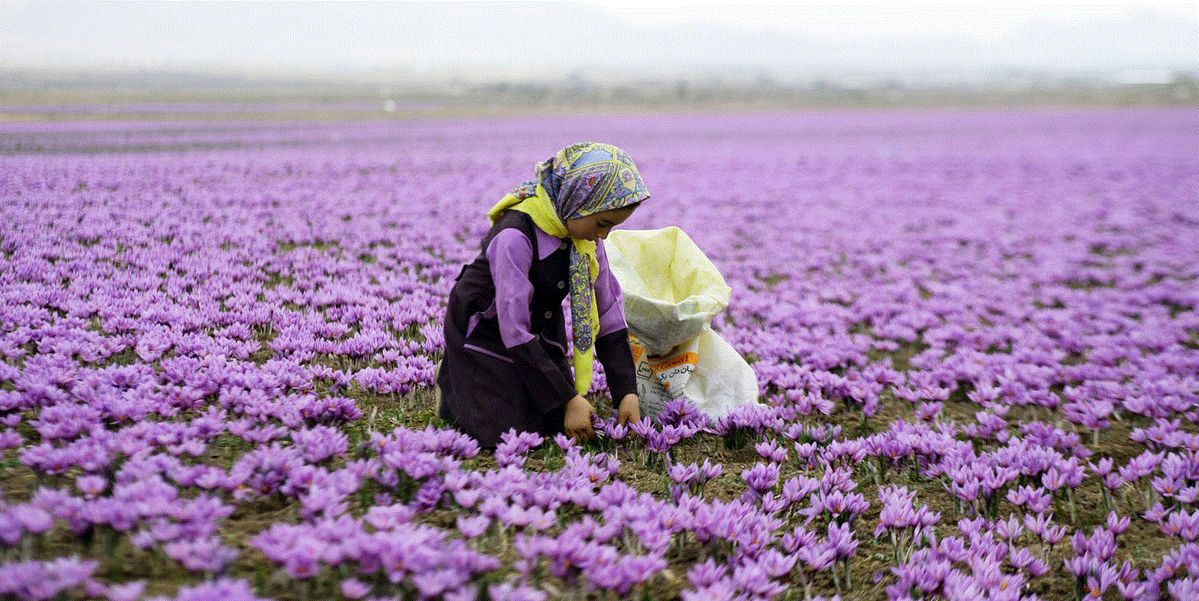
Discover the origin of saffron, its 3,000-year history, why Iran produces around 90% of the world’s supply, and what makes saffron one of the most valuable spices on Earth.
Where does saffron come from?
Today, when people think of saffron, they often think of Iran. However, the story of saffron began thousands of years ago.
This small crimson spice is not only one of the world's most valuable agricultural products but also an important part of ancient trade, culture, and farming traditions.
So where did saffron actually originate? Why is Iran so closely associated with saffron? And how did a tiny flower become known as “red gold”?
What is saffron and which flower does it come from?
Saffron is harvested from the red stigmas of the Crocus sativus flower.
This purple-flowering plant blooms in autumn, and each flower produces only three usable stigmas.
Unlike many crops, Crocus sativus cannot reproduce naturally in the wild and relies entirely on human cultivation and propagation. This is one reason saffron remains rare and valuable.
Where did saffron originate?
Researchers continue to debate saffron's exact birthplace.
However, most historical sources point to ancient Persia (modern-day Iran) or the eastern Mediterranean region as its likely origin.
Historical records suggest saffron has been used for more than 3,000 years in:
Food
Perfumes
Textiles
Religious ceremonies
Traditional medicine
Through ancient trade routes, saffron spread from Persia to Greece, Rome, India, and China.
Why is saffron called “red gold”?
Saffron earns the nickname “red gold” because of both its color and its value.
According to Britannica, approximately 75,000 flowers are needed to produce just 0.45 kilograms (1 pound) of dried saffron.
Other estimates suggest that around 150 flowers are required to produce a single gram of dried saffron.
The combination of manual harvesting, limited yield, and seasonal production makes saffron one of the most expensive spices in the world.
Why is Iran famous for saffron?
Iran is currently the world's leading saffron producer.
Today, the country accounts for approximately 85–90% of global saffron production.
Iran exports saffron to dozens of countries and produces hundreds of tons annually.
Its success comes from:
Dry sunny climate
Cold winters
Centuries of farming expertise
The world's largest saffron cultivation areas
Many premium saffron grades such as Super Negin, Negin, and Sargol originate from Iran.
Which countries grow saffron besides Iran?
Although Iran dominates production, saffron is also cultivated in:
Spain
India
Afghanistan
Greece
Morocco
Italy
Among them:
Spain is famous for saffron trading and packaging
Kashmir in India is known for aromatic saffron
Afghanistan has become an emerging producer of premium-quality saffron
However, their production volumes remain significantly lower than Iran's.
Is saffron a medicine?
No.
Saffron is a natural spice and herbal product commonly used in food and wellness routines.
It is not a medicine and should not be considered a replacement for medical treatment.
Many people choose saffron as part of a balanced lifestyle alongside healthy nutrition and daily habits.
Conclusion
The story of saffron stretches back thousands of years.
From the fields of ancient Persia to modern global markets, saffron has maintained its value through rarity, craftsmanship, and tradition.
Understanding where saffron comes from is one of the best ways to appreciate its history and make more informed choices when selecting saffron products.
“If you are new to saffron, start by understanding its origin, quality grades, and proper usage. Knowing the story behind saffron often helps you appreciate the product far beyond its price.”
Related articles
- When is the best time to drink saffron? A practical guide for daily use
Should you drink saffron in the morning or at night? Learn the best times to use saffron threads and saffron-infused honey as part of a balanced wellness routine.
- Saffron and a modern healthy lifestyle: Why saffron alone is not enough
Discover how saffron fits into a healthy lifestyle. Learn why long-term wellness depends on daily habits, sleep, nutrition, stress management, and consistency.
- How many saffron threads should you consume per day? A beginner's guide
Wondering how many saffron threads you should use daily? Learn recommended amounts for beginners, proper usage methods, and why quality matters more than quantity.